



The 60-Second P&L: See Your Business Story Fast and Make Smarter Decisions

Success Tax: Understand the Real Cost of Success and Keep More of What You Earn
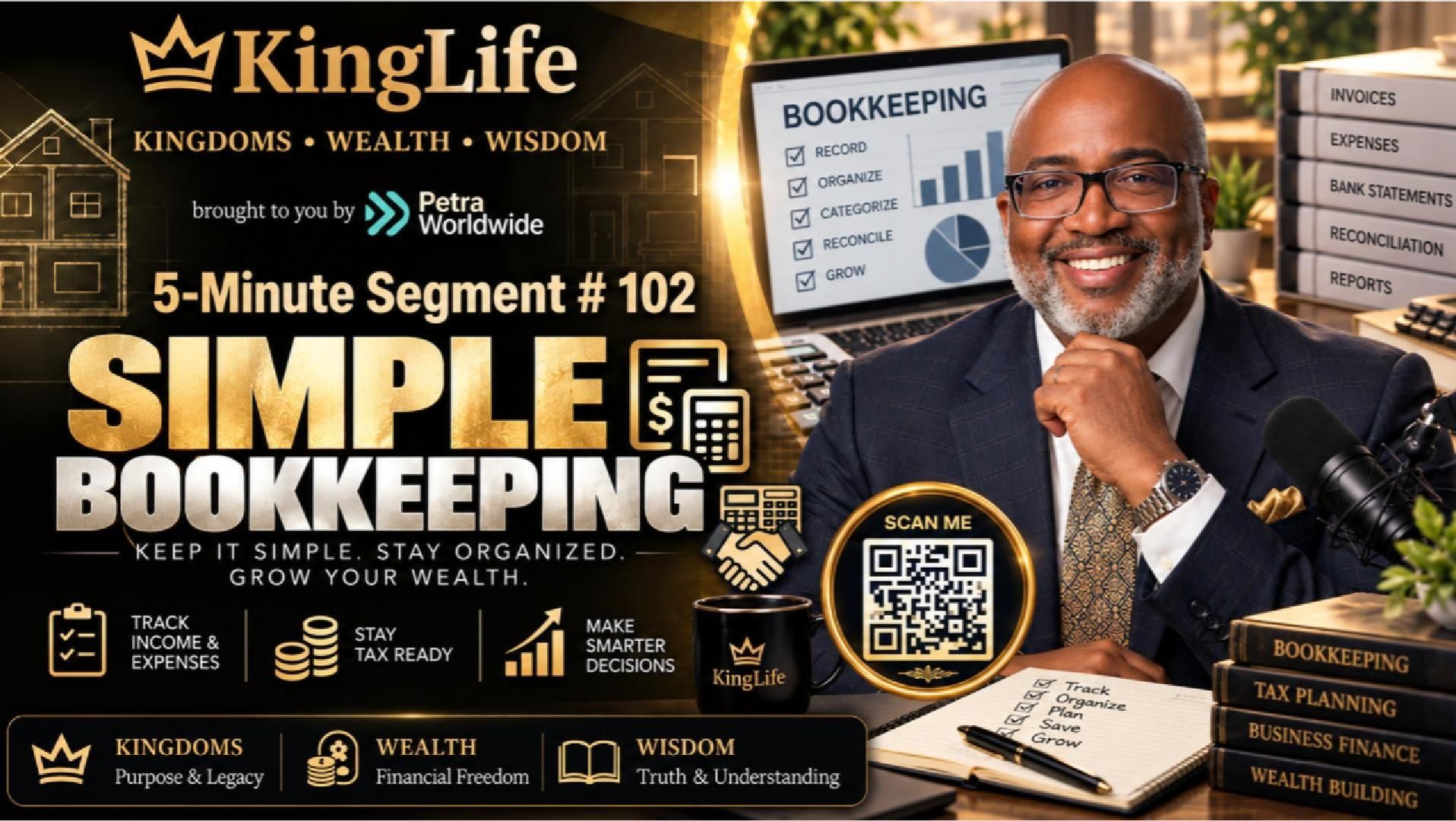
Simple Bookkeeping: Keep It Organized and Grow Your Wealth

R&D Tax Credits: How to Fuel Innovation, Reduce Taxes, and Grow Your Business

New Rules for Business Meals in 2026: What's Deductible and How to Save

Mileage Tracking for Business: Maximize Deductions and Simplify Your Records

Managing Lumpy Income: How to Smooth Out Cash Flow and Build Financial Stability

Decoding Form 1099-K: What Business Owners Need to Know

I Can't Pay My Business Taxes: Options, Solutions, and How to Keep Moving Forward

Building a Family Foundation: How to Protect Your Assets and Create a Lasting Legacy