



Dividing the Kingdom: Divorce & Taxes — Protect Your Assets and Make Informed Decisions

Real Estate Prize Fight: Wall Street vs. Main Street — Strategies to Build Your Wealth

day-trader-tax-trade-smart-stay-compliant-and-know-the-rules

The 10% Retirement Penalty: Avoid Costly Mistakes and Protect Your Future
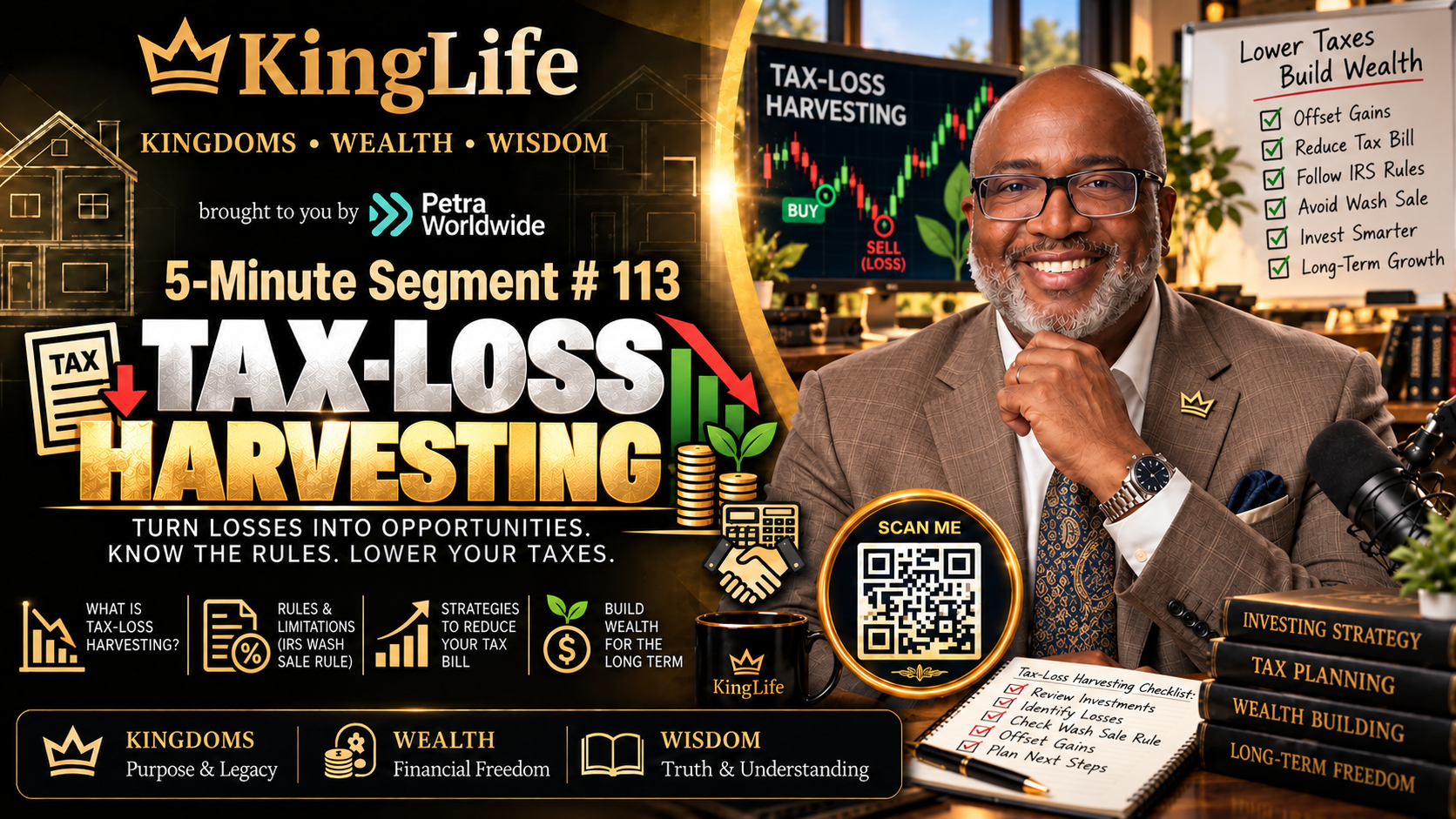
Tax-Loss Harvesting: Turn Losses Into Opportunities and Lower Your Taxes

Dining Out: Are You Flushing Your Cash Down the Toilet? Understand the Real Costs |

Do You Need a Job to Feel Safe? Build Financial Security Beyond a Paycheck
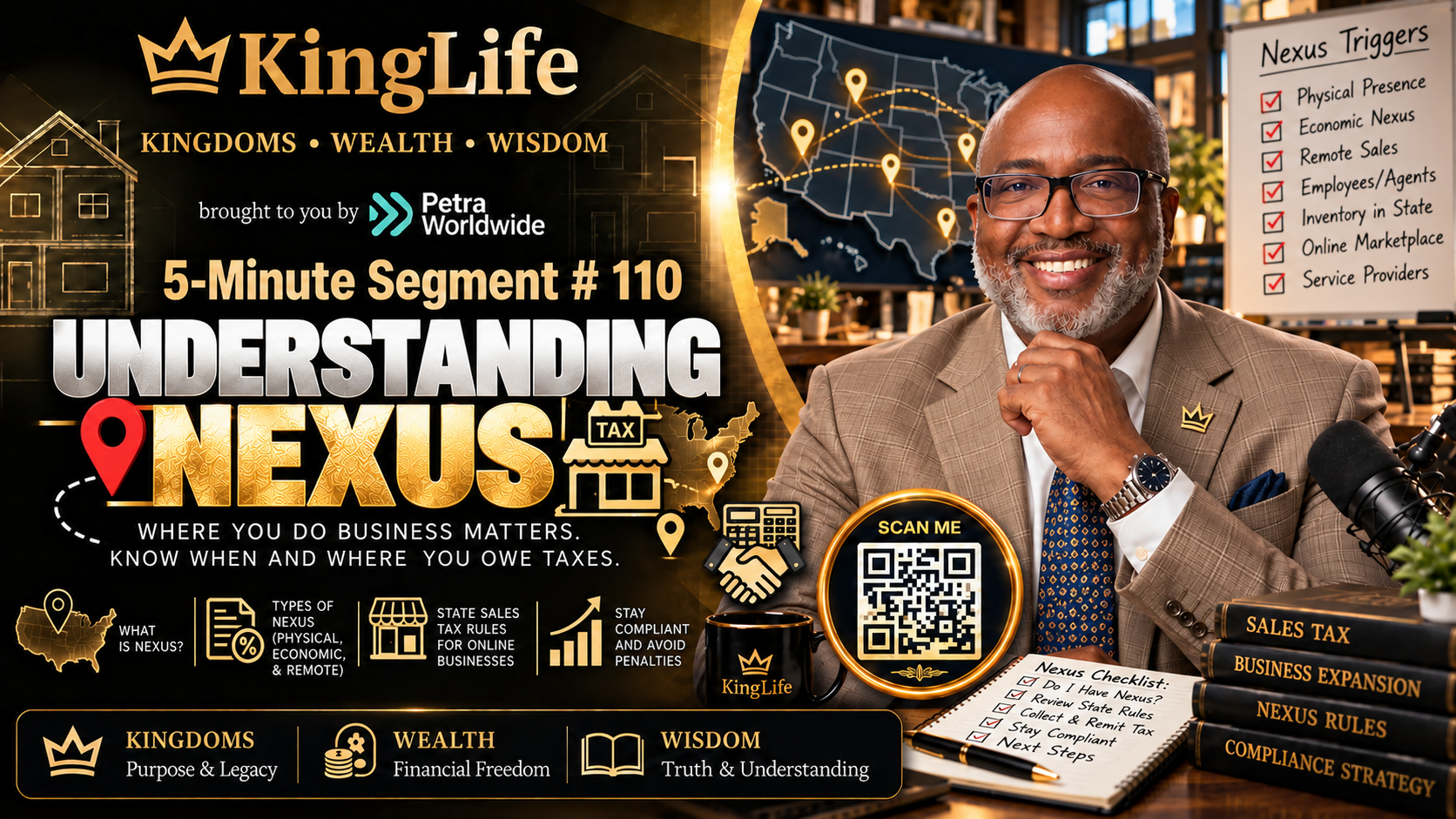
Understanding Nexus: Where You Do Business Matters and Know Where You Owe Taxes

Entity Selection: Choose Smart, Protect Your Wealth, and Know the Tax Rules

The Girl Boss Tax Lie: Separate Fact from Fiction and Know the Tax Rules