


BLOGSPOT
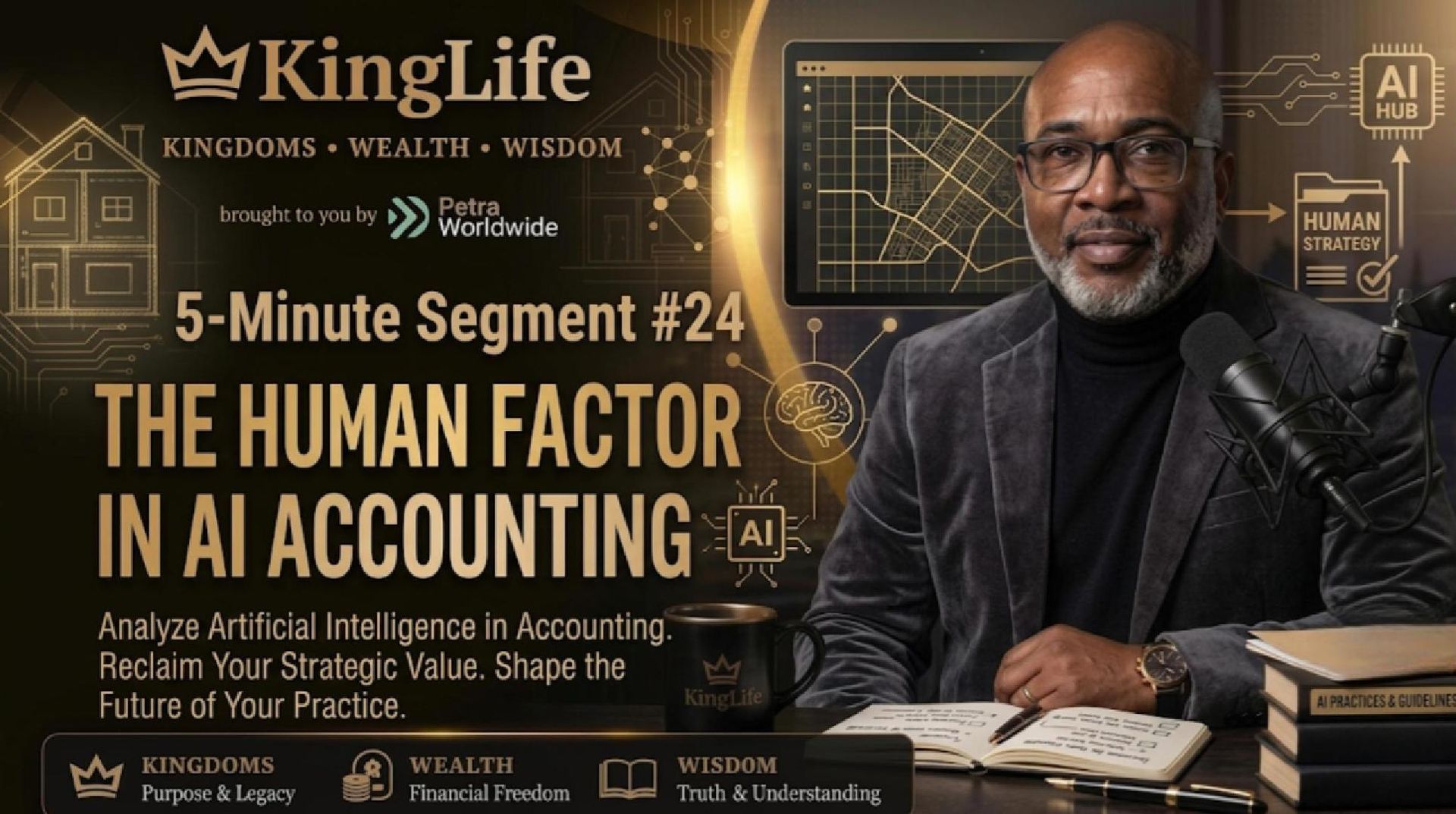
The Human Factor in AI Accounting & Financial Strategy
KingLife

The rise of automation has sparked an intense debate across the global financial landscape. Modern firms and small businesses are rapidly implementing specialized software platforms, promising to eliminate manual processing errors, cut operational costs, and streamline complex ledgers in a fraction of the time. On the surface, this technological evolution seems like an absolute victory for efficiency. Yet, beneath the slick interfaces and instant reports lies a deeper problem: the dangerous assumption that data processing is identical to true financial leadership.
When an organization hands its entire accounting infrastructure over to an algorithm, it strips away the nuance required for high-stakes decision-making. Software is excellent at cataloging what has already happened, but it cannot navigate the gray areas of human relationships, changing market morale, or ethical stewardship. To build an enduring enterprise, you must realize that automation is merely a foundation, while the actual architecture of your business requires an intentional, human-centered vision.
Shaping the future of your practice means learning how to sit firmly in the driver’s seat of technology. By taking the time to critically analyze artificial intelligence in accounting, professionals can confidently separate routine calculation from high-level advisory positions. True financial wisdom means letting the machines handle the repetitive grunt work so that you can reclaim your strategic value and focus entirely on building a sustainable legacy of purpose.